

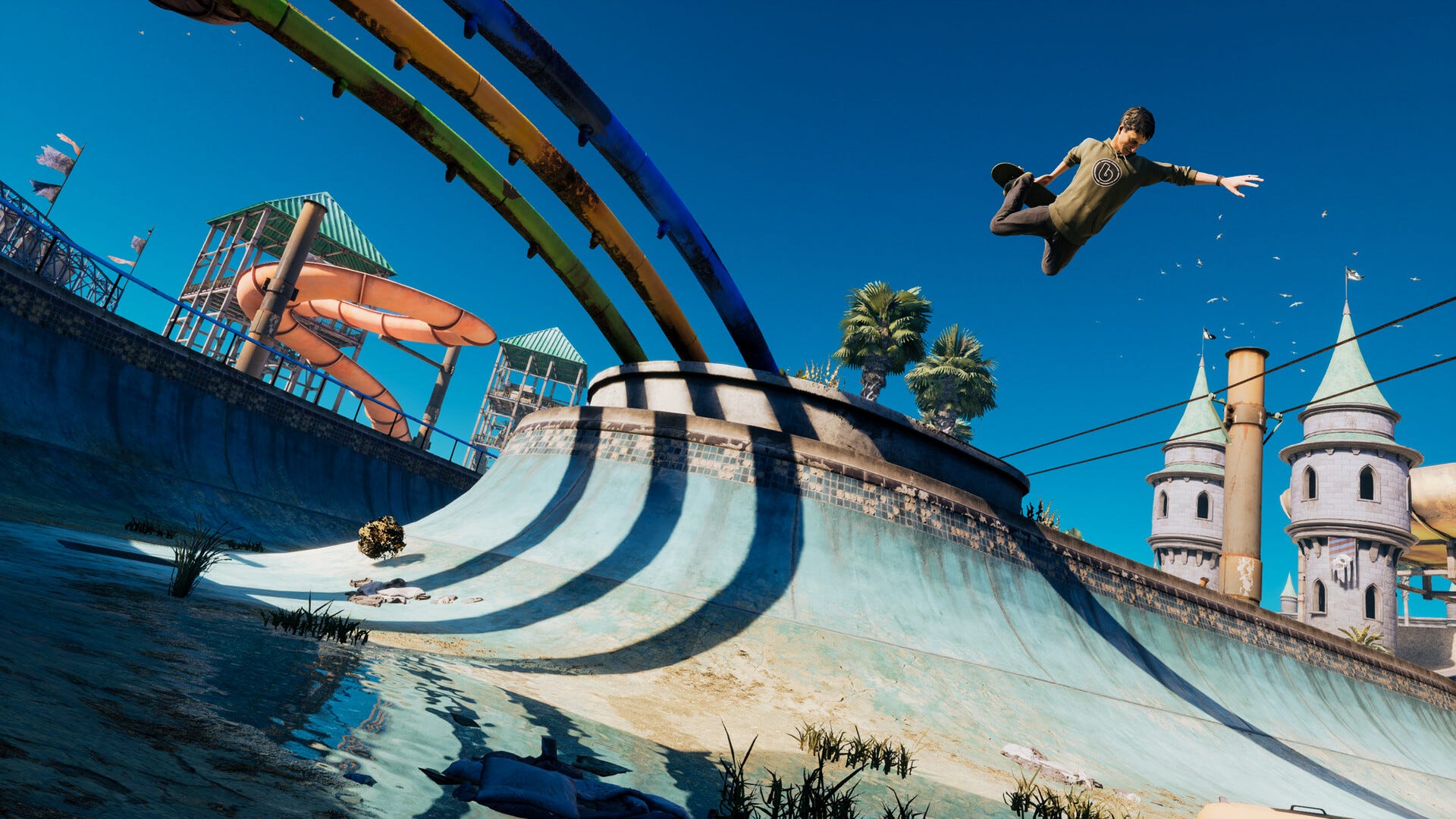
I’ve loved Tony Hawk games since the first time I landed a virtual flip. Like many 30-something players, this series shaped both my taste in games and music.
The recent wave of remakes, first THPS 1+2 and now 3+4, brought that rush back. But beyond the nostalgia, they reminded me how satisfying these mechanics are, even decades later. There’s something special about how quickly the game responds to your inputs, and how its exaggerated feedback communicates success.
That feeling has a name: Game Feel.
So, What Is Game Feel? 🕹️
Game feel is that visceral sensation you get when playing a game. The sensory feedback loop where controls, visuals, and audio come together to make every moment feel good. In simpler terms, game feel is about amplifying feedback so that every input feels satisfying.
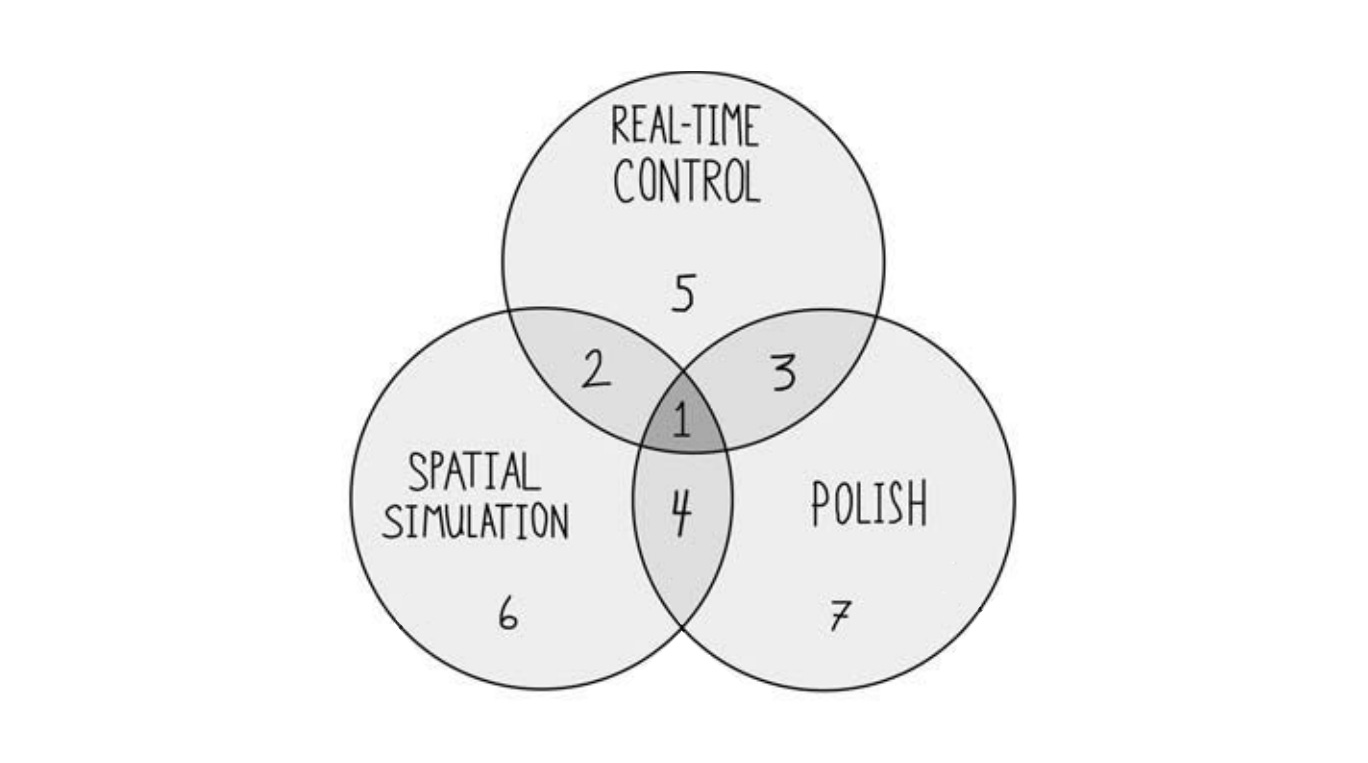
Steve Swink, in his book Game Feel: A Game Designer’s Guide to Virtual Sensation, breaks this concept into three core pillars:
1. Real-Time Control
Real-time control is all about responsiveness. In THPS, you can see it in the snappy movements of your skater. Press a button and the game reacts instantly. There is no lag, no wobble, just a smooth interaction that connects you with the game.
Swink calls this the foundation of game feel. It’s basically what bridges the gap between intent and outcome, and the reason we often say “the car hit me” instead of “my character got hit” when we are immersed in play.
2. Simulated Space
Fast responses would not do much without a world to make them meaningful, and Tony Hawk’s levels absolutely deliver here. Ramps, rails, buildings, and gaps are all placed to suggest motion and invite improvisation.
The more you play, the more you learn to “read the room” and spot opportunities.
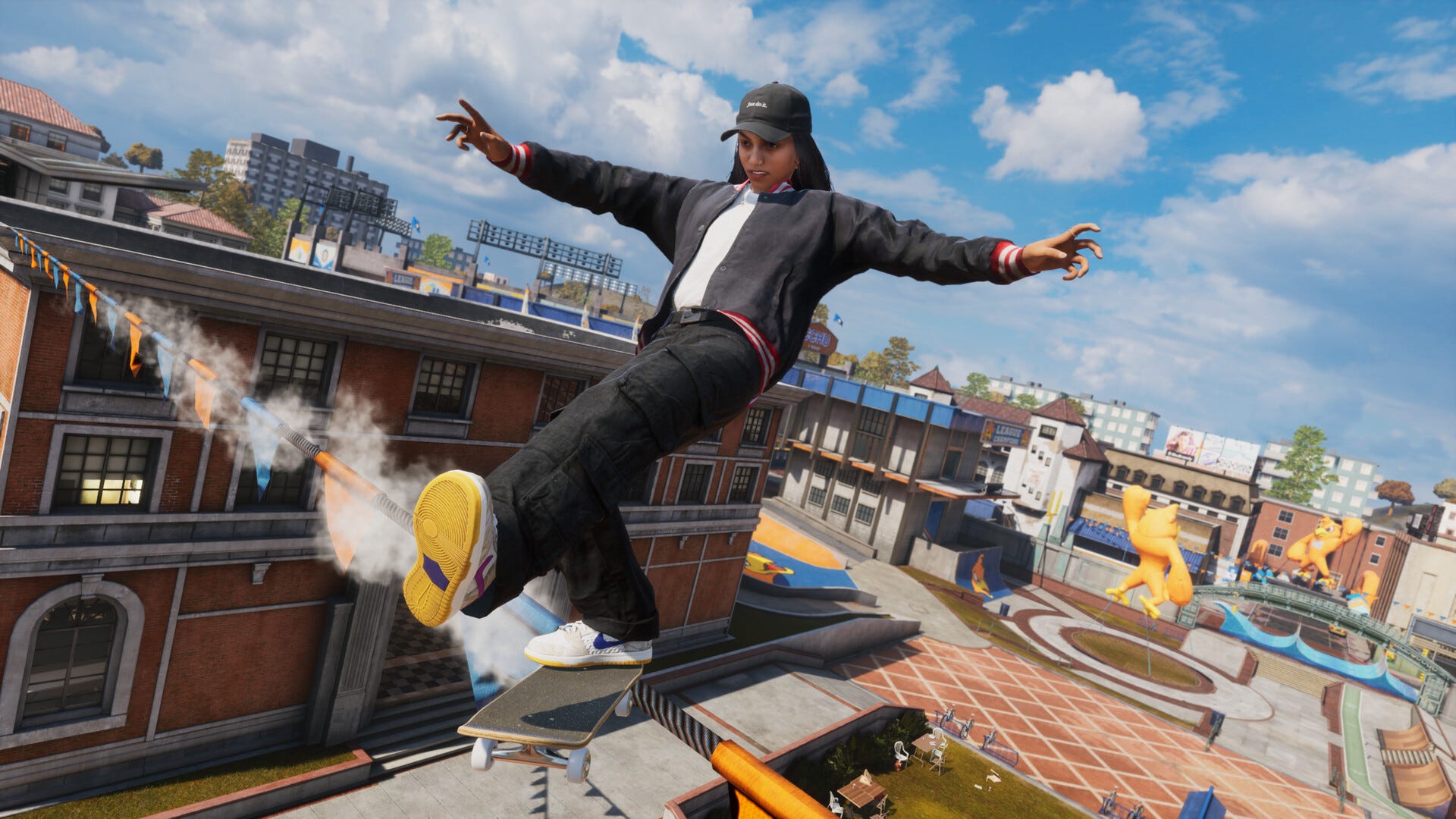
Of course, it is not just about building the scenery. Actions need weight and coherence, while the space needs to behave accordingly. We are talking acceleration, gravity, and momentum all tuned to the game’s context so that things match your expectations.
3. Polish
This is my favorite part, the icing on the cake.
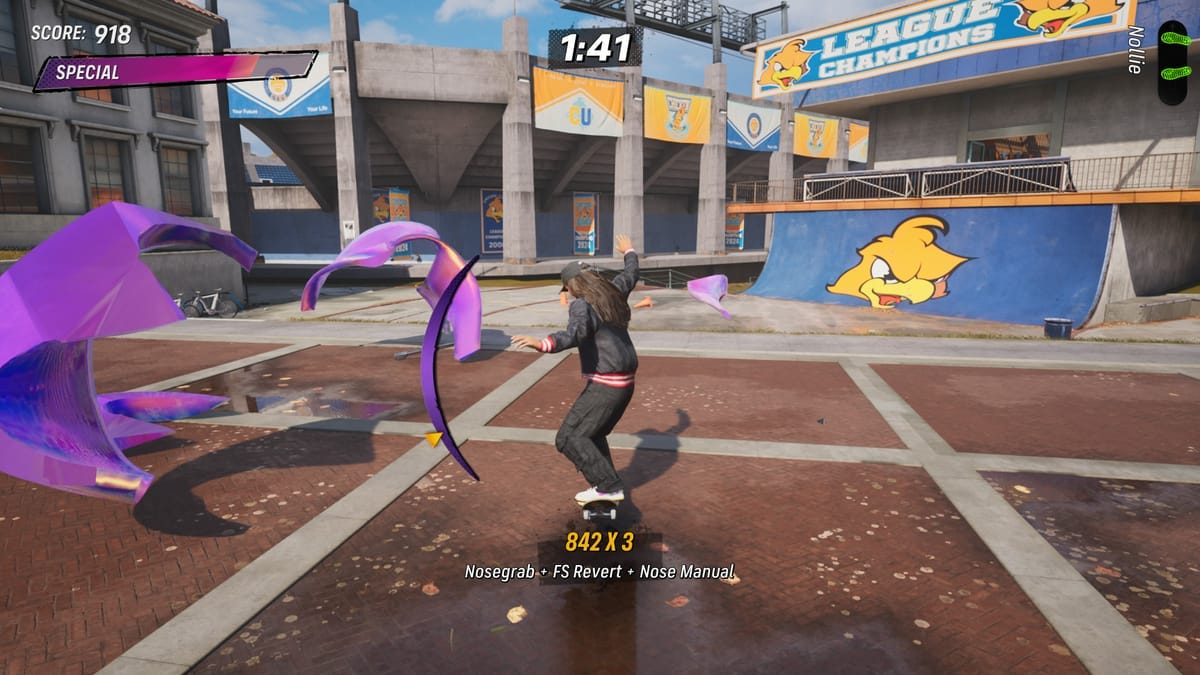
Polish is where feedback turns into emotion and the pillars connect. VFX, sounds, animations, screen shake, and haptics all work together to reinforce your actions and make them more satisfying. In THPS, you see sparks when you grind, trick names pop up on screen, and meters flash at just the right moment to hype you up.
By the way, don’t worry about sticking to real-world references here. Polish is not about realism. It’s about response and excitement.
Beyond the Pillars 🧩
While Swink’s pillars form the backbone of game feel, other elements such as metaphors, rules, and theme also join the party to shape the final package. In his book, the author outlines a broader model of interactivity that shows how these extra variables influence the player’s perceptual field.
I highly recommend checking out the full book. Well, to be fair, it is not the most fluid read for me. It starts with a heavy punch of theory, but once Swink dives into familiar games and shows these concepts in practice, everything clicks.
📝 Final Notes
Tony Hawk’s Pro Skater is a masterclass in game feel. It rewards creative risks, sharp timing, and playful experimentation. Its magic is in that deep sense of control that turns us into pro skaters, even if only in a virtual world.
How about you? What’s a game that felt so good you couldn’t put it down? Chances are, it nailed game feel. 😊
Wanna Learn More?
Here are some fantastic resources for you:
Didn't comment it when you launched it BUT I loved reading this.
There're different sport video games that failed trying to adapt the experience into the virtual space, so reading how you dissect what made these games so cool and how they made the experience feel good it's quite interesting.
The nostalgia hit with just the fact that you're analysing one of my favourite franchises of all times.