


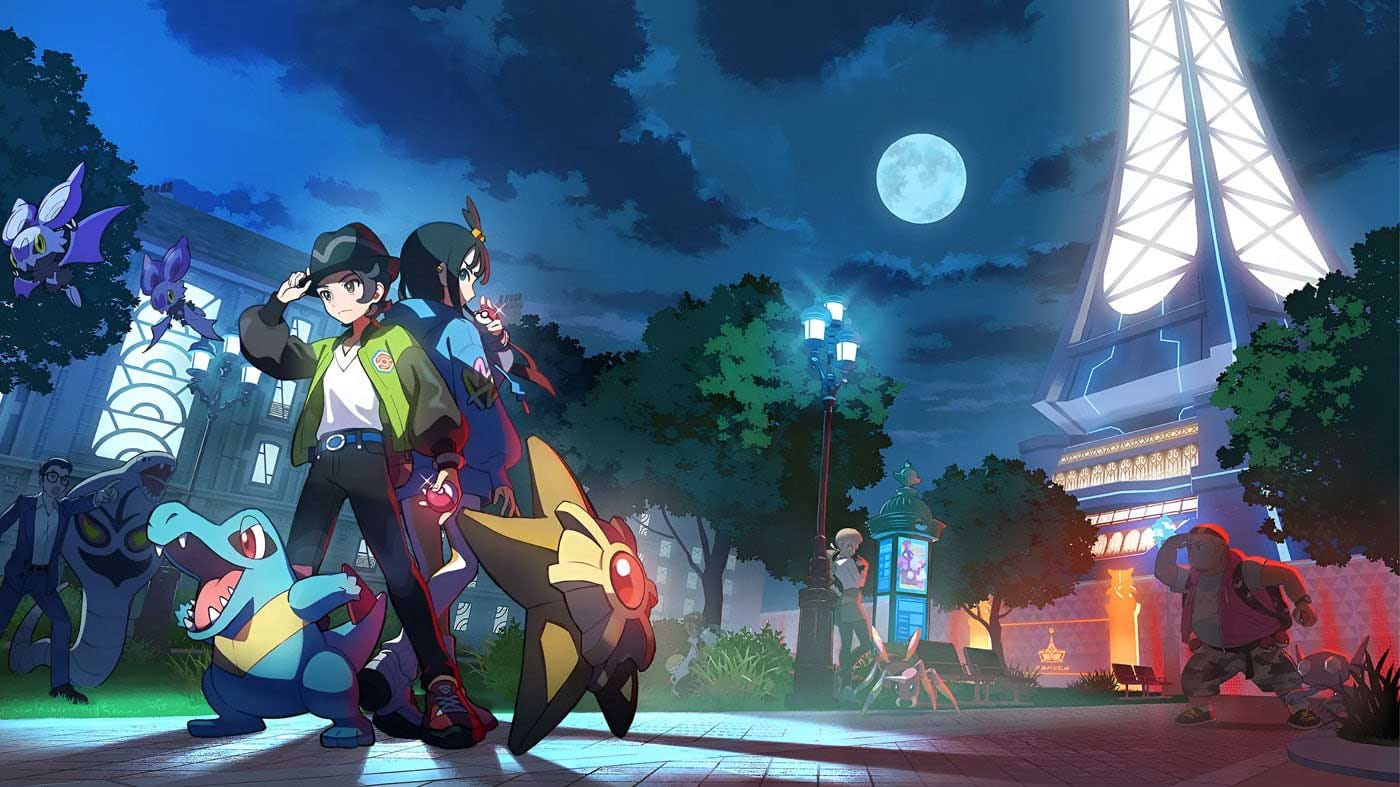
Welcome to Tales From The Couch, the series where I share my opinions and short UX notes about a game I played.
Today’s pick is Pokémon Legends: Z-A, a new entry that brings clever changes while keeping some of the issues that have hurt the franchise for years. We’ll go through the good, the bad, and the ugly to see if we can squeeze some UX insights out of it
Spoiler alert: this one will be a tough read…
👾 Setting the stage
Legends: Z-A takes place in Lumiose City, the capital of the Kalos region, a few years after the events of Pokémon X & Y. It follows the structure of Legends: Arceus but trades open fields for one dense, layered city with a new combat system and day-and-night cycles. It is both a sequel and an experiment, trying to evolve the formula while revisiting one of Pokémon’s most iconic storylines.
🚨 First things first
Pokémon has earned over 100 billion USD in lifetime revenue, sold 480 million games, shipped more than 50 billion cards, and expanded its merch empire across every possible category. It is the biggest entertainment franchise on the planet, surpassing names like Star Wars, Marvel, and Barbie.
That adds to the bias around their games. I am not neutral here, and I know I am not alone. Pokémon sits firmly among my favorite games, and I have played every single title since the Game Boy days. This love makes my “fanboy” side excited about every release and my “designer” side personally offended when the execution falls short.
🔎 The good, the bad and the ugly
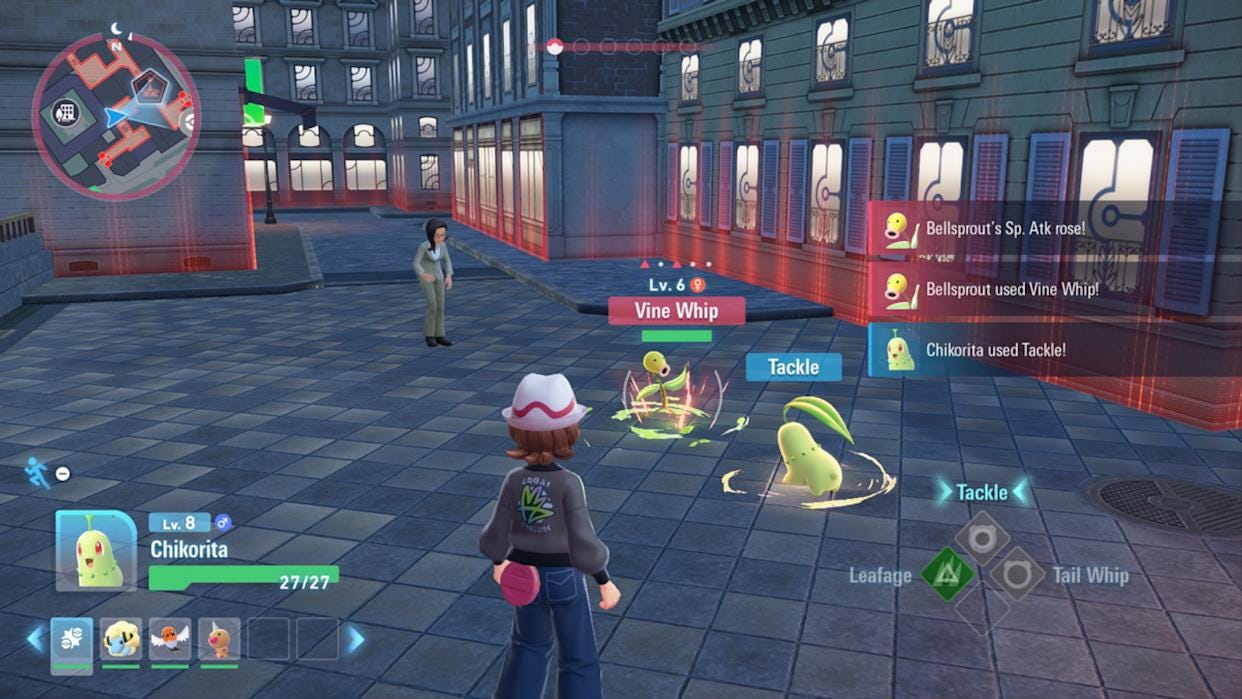
The new real-time battle system is a clear win. It finally makes fights feel like they do in the anime: fast, messy, and alive. You can move, dodge, and time attacks in ways that are fresh. It is what Legends: Arceus promised and didn’t fully deliver.
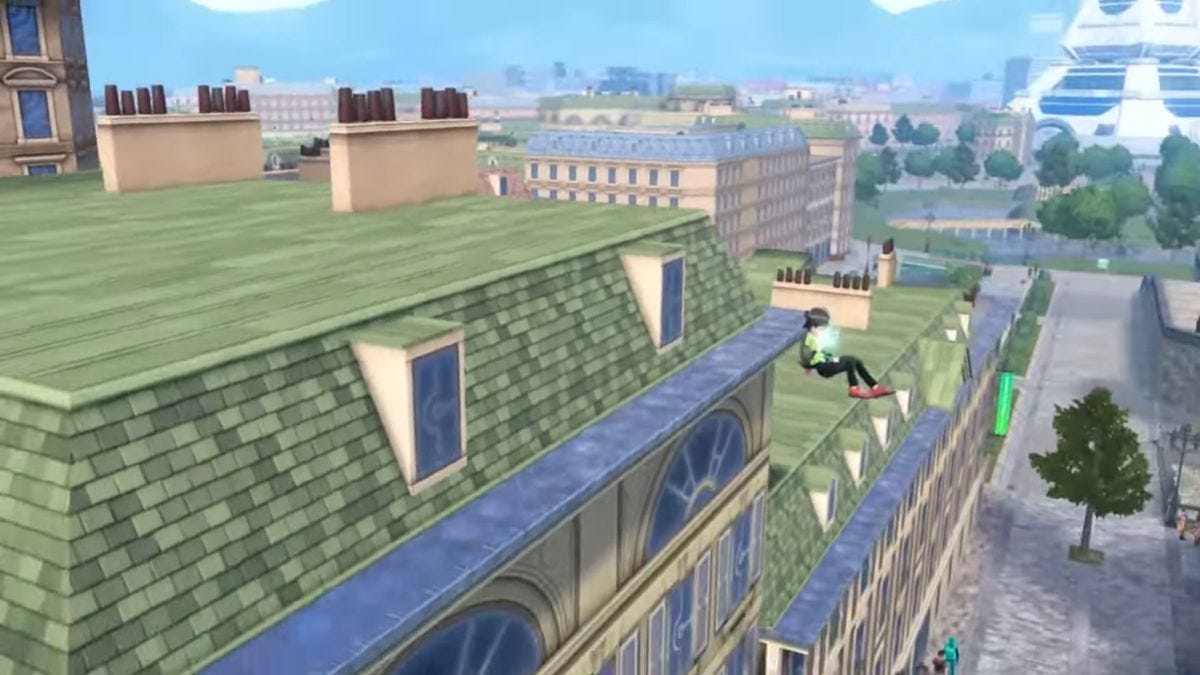
But the shine fades quickly. Even with better performance, Z-A looks rough. Textures are flat, animations stiff, and Lumiose City, while ambitious, often feels like a beautiful cage. You see buildings you cannot enter, lifeless rooftop areas, items you cannot reach and unfinished corners. These small breaks slowly chip away at the magic.
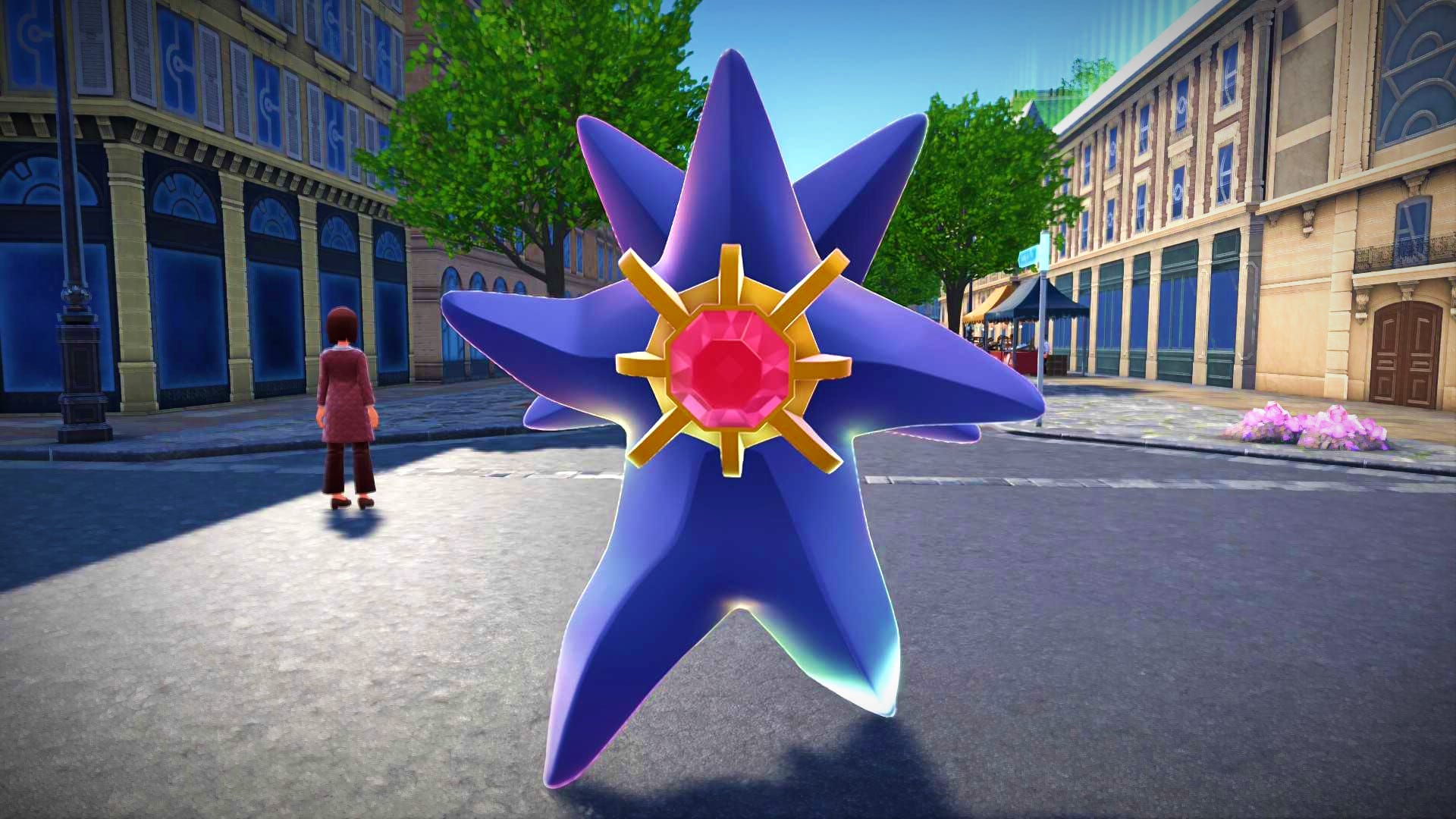
Mega Evolution returns and fits perfectly within the new combat rhythm. It is nostalgic, polished, and easily one of the best reintroductions the franchise has done. The mechanic is fun, but the visuals are tricky. Some Mega Pokémon designs look so off that at times I wondered if an AI had generated them.
Then there are the pacing issues. Tutorials drag, navigation is clunky and somehow in 2025 there is still no voice acting. The silence during emotional moments kills immersion and makes many players skip what is actually a very good story.
Despite the rough edges, I did not hate my time with it, plus the soundtrack was a blast. There is heart behind this project, and that matters. You can tell the team wanted to push the series forward instead of repeating the formula, but something happened along the way. Still, it is hard to defend the final product to anyone who does not share the same nostalgic bias mentioned earlier.
This led to good discussions with friends from the industry.
🎮 Quality bar and player trust
For me, Game Freak’s recent history is a case study in compromise. Legends: Arceus was rough but inspired. Scarlet & Violet were ambitious but broken. Z-A stands somewhere in between: full of good ideas, but inconsistent in execution.
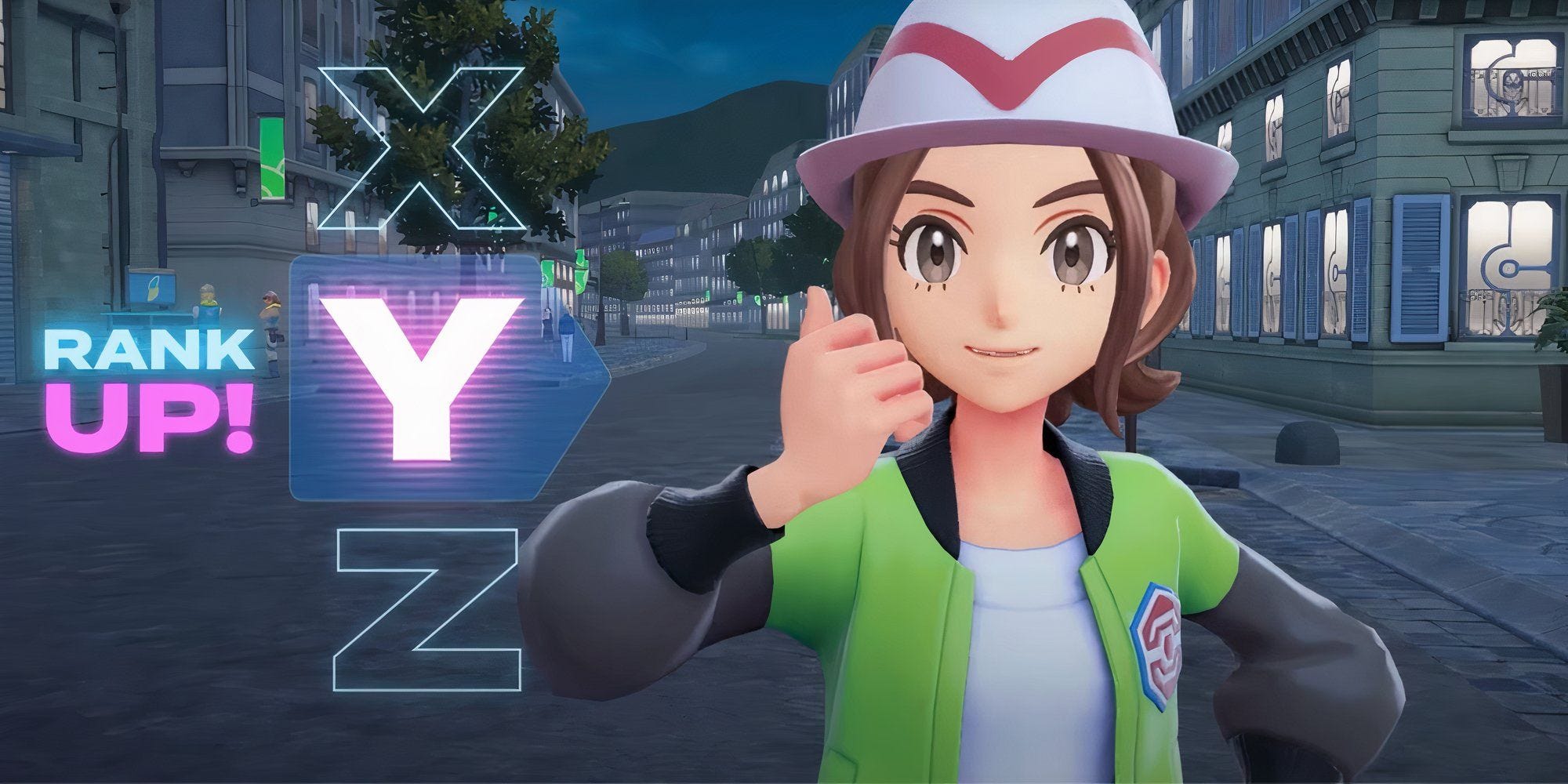
When we talk about quality in games, we are not talking just about graphics. Players today have seen Cyberpunk 2077 with its gorgeous Night City, or games like Vampire Survivors and Minecraft that create engagement and immersion through game feel rather than visuals. The bar for what is considered polished is higher than ever, and with the Switch 2, the old “hardware limitation” excuse no longer works.
Players can feel when a game respects their time. That is why Z-A frustrates me. It has ambition, but lacks consistency, and that weakens trust.
In UX we often say that consistency builds confidence. Every screen, sound, and animation tells players how much the developers cared about the experience they are building. When performance dips or systems clash, the illusion cracks. Players do not just lose patience; they lose belief.
Raising the quality bar is ultimately about respecting player’s time, curiosity, and willingness to engage with your world. These elements are the fuel that carry them through the experience and turn a good game into a memorable one.
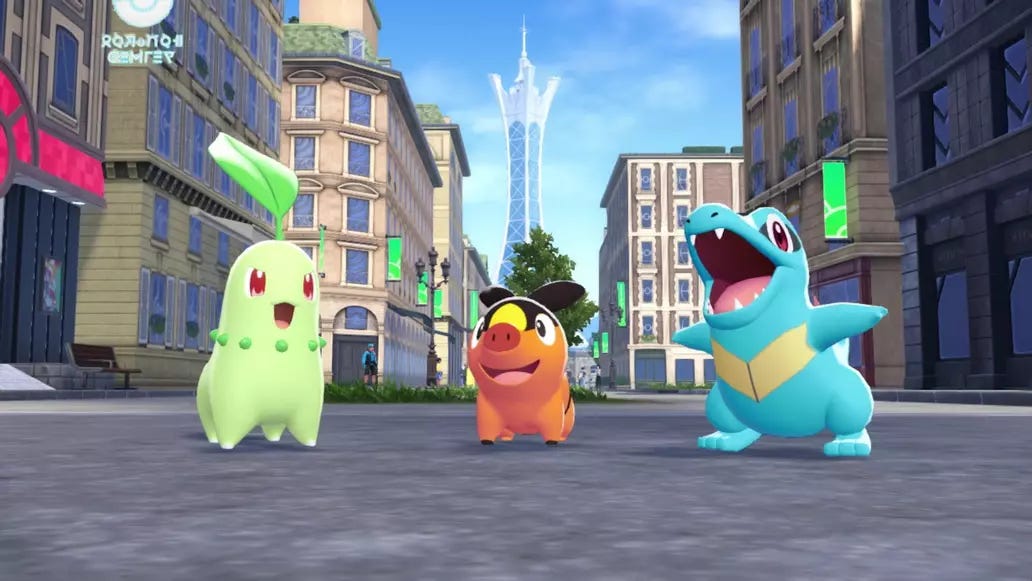
And yes, I know every studio faces deadlines that force compromises. That is part of game development. We all make trade-offs between ideal solutions and what we can ship in a given timeframe. But the key is to treat those compromises as temporary, almost like buying time until we level up our outputs, not as a standard.
Do not let the bargains that are part of development become a habit. When “good enough” becomes acceptable, the bar drops. You stop noticing the cracks, slowly losing sight of what really matters: your players. And that is when trust fades.
🧩 Final Notes
Pokémon Legends: Z-A is a paradox. It dares to evolve the formula, but it still struggles with that sense of rush to deliver more instead of better. I want to believe it represents a step in the right direction, but only time will tell.
So my conclusion is simple: play it if you love the franchise, or if you want to see what happens when business ambition grows faster than care for the audience.
Also, take this message with a grain of salt, because business constraints are not always bad. If applied correctly, they can push teams to focus on what truly matters. But we will dive deeper into this topic in the next article, so keep an eye out for it 😉