

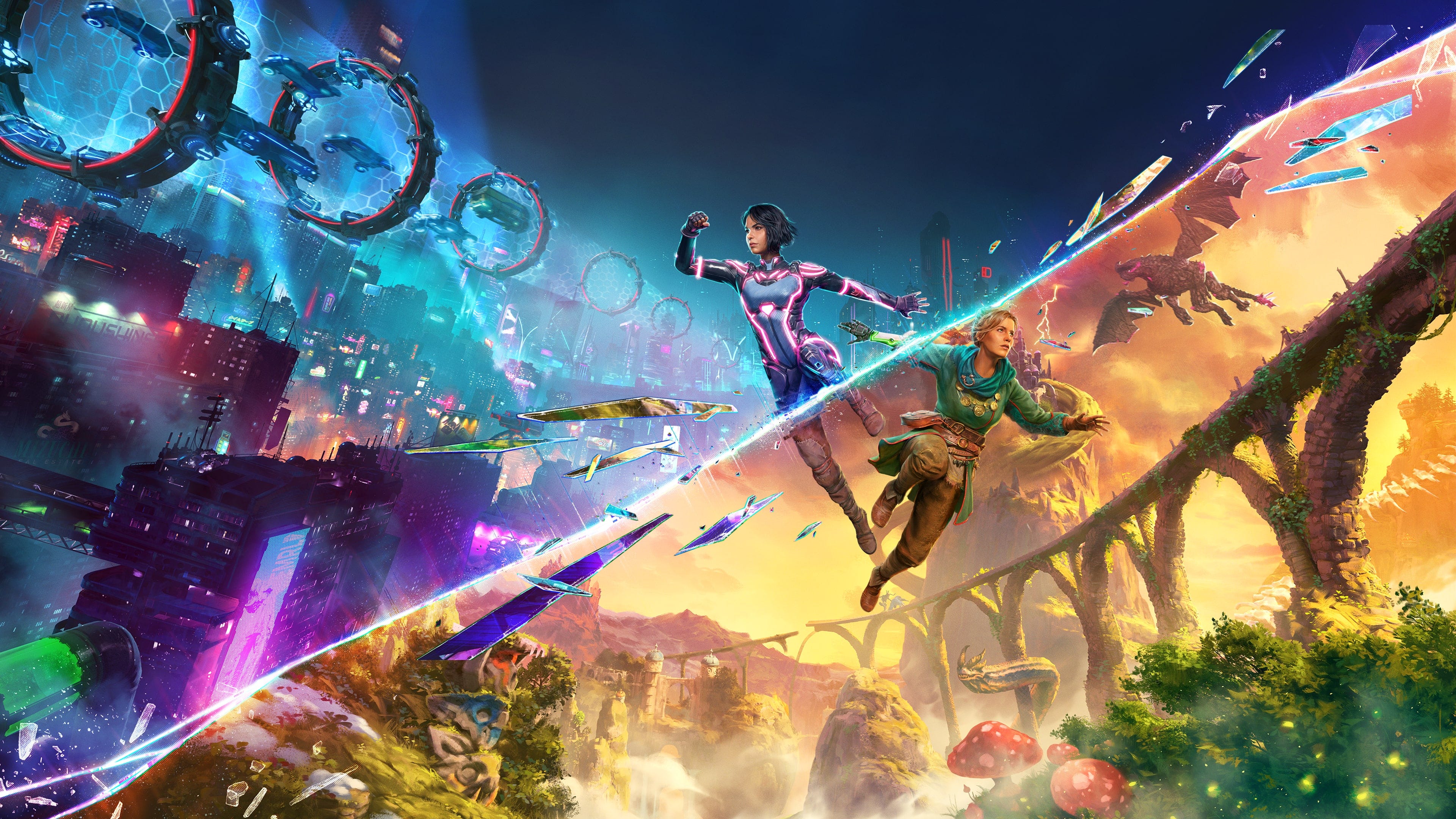
Welcome to Tales From The Couch, the series where I share my opinions and short UX notes about a game I played.
Today, it's all about Split Fiction, Hazelight Studios' new co-op adventure.
👾 So, is it good?
Split Fiction is a dynamic, genre-blending game where two authors become trapped in their own sci-fi and fantasy worlds. The gameplay mixes puzzles, platforming, and fast-paced action, so get ready for shooting and intense boss fights. Compared to A Way Out and It Takes Two, this one demands quicker reflexes and more precision—which might feel overwhelming for more casual folks, but it’s undeniably fun.
I played it with my wife, and we argued way less this time around (though every boss battle took several tries 😅).
The story was nice, but honestly, the highlight for me was the pure button-smashing chaos of the gameplay. Hazelight clearly knows how to deliver memorable co-op experiences, and Split Fiction might be their best yet. And as a bonus, the inclusion of a Friend's Pass that lets a friend join for free is a smart, player-friendly move that we don’t see often in today’s industry.
🔎 How about the UX?
Two things really stood out for me:
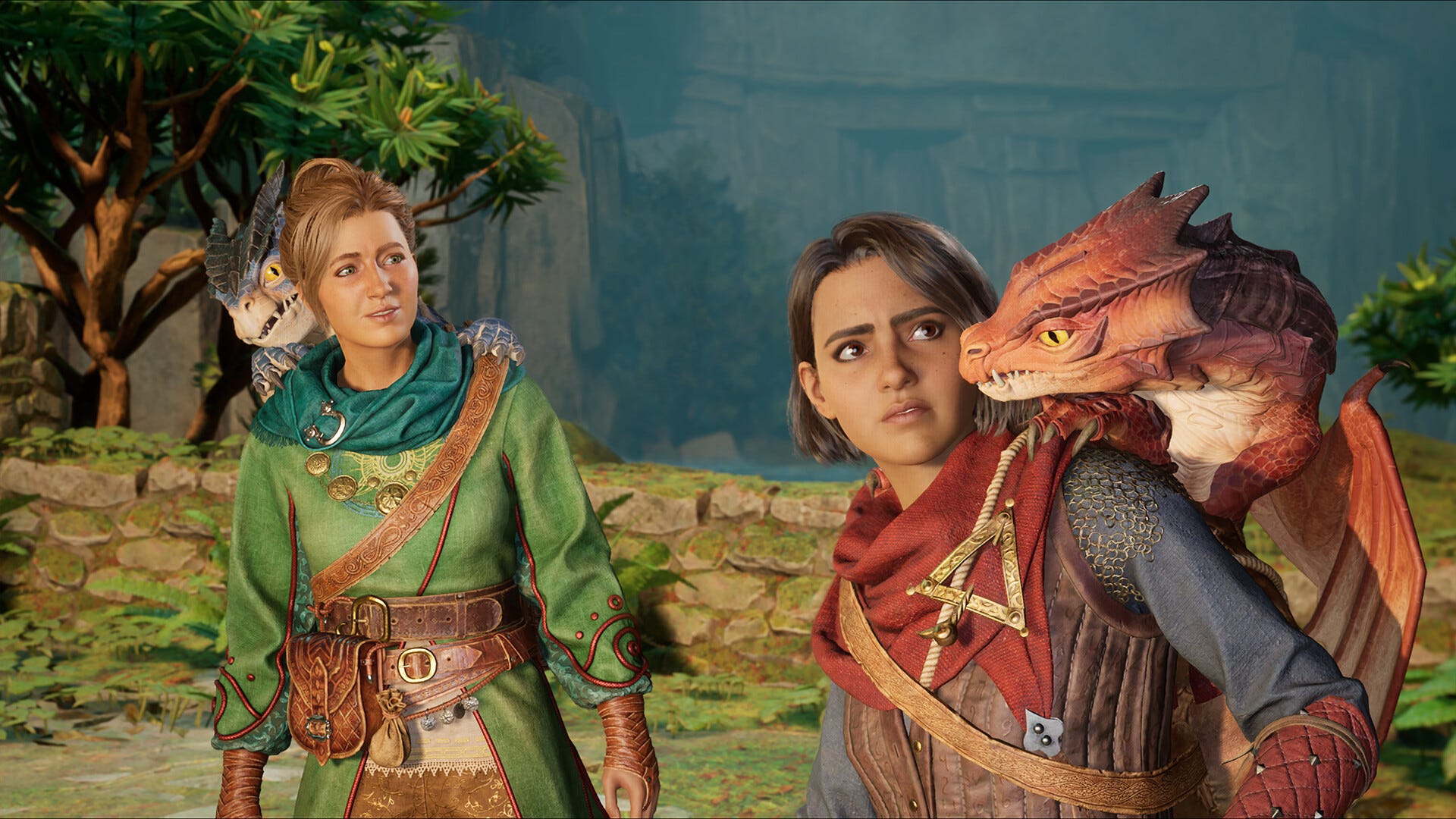
1. Cooperation feels good
Humans love working together—our brains thrive on it. Games like Split Fiction leverage aspects like trust and synchronization. When we play cooperatively, we naturally start coordinating better, anticipating our partner’s moves, fine tuning our communication and feeling deeply connected, especially in local multiplayer setups.
This taps into social facilitation—the idea that we often perform better just by being around others. Shared physical space, non-verbal cues, and instant reactions make winning (or even losing) together much more engaging. It's a big part of why couch co-op feels uniquely satisfying and Split Fiction uses all that in its favor.
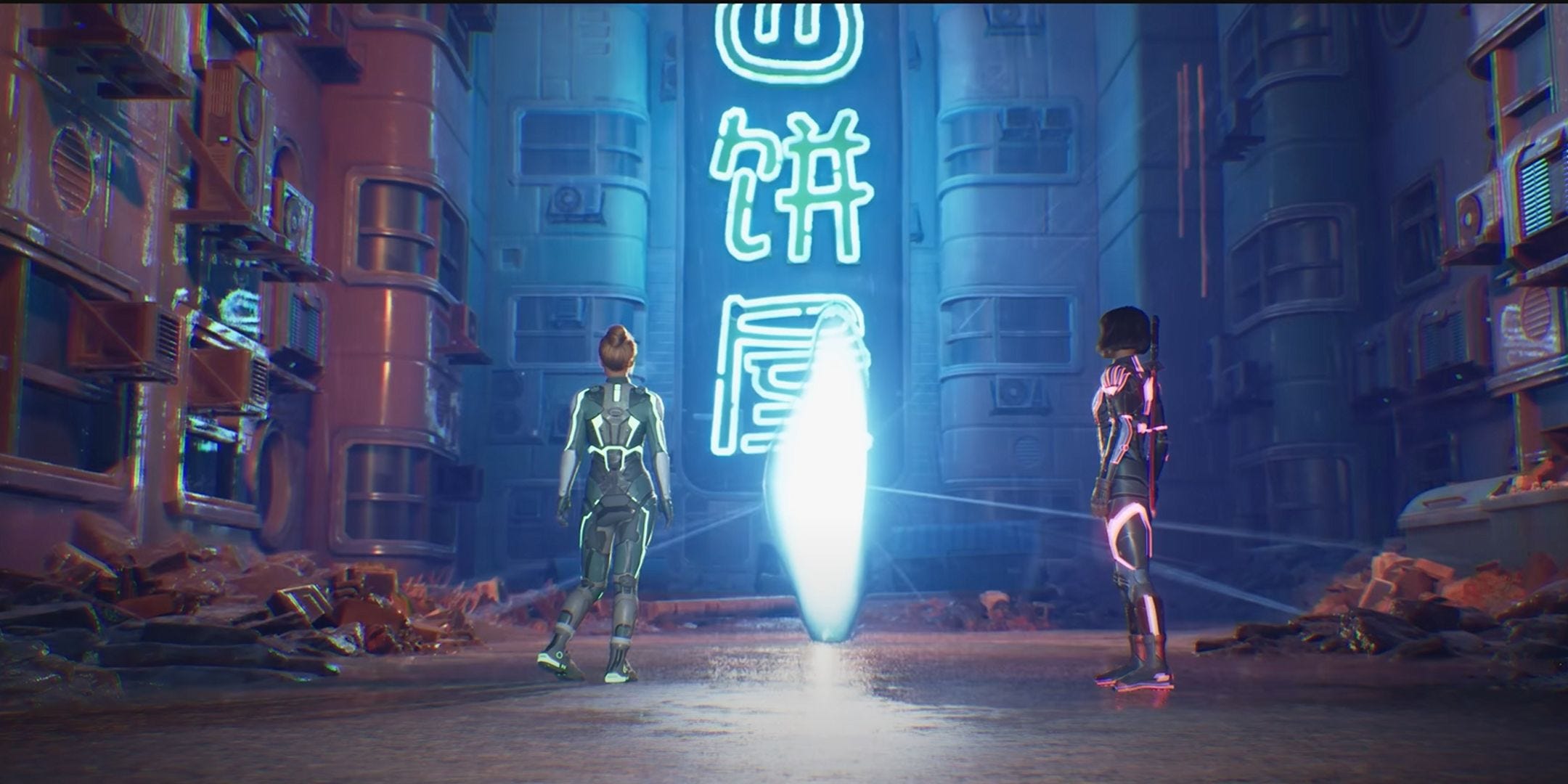
2. Handling the Skill Gap
Managing different player skills can be challenging in co-op games. In game design there’s a design trick for these cases called 'asymmetric gameplay'—giving each player a unique role that can be tailored to their strengths. Split Fiction does this well, helping everyone feel valuable, even if one player is less experienced.
The game also incorporates concepts like scaffolding and thoughtful feedback loops to help gradually build players' confidence and showcase progress. If skill gaps still feel frustrating, you can tweak difficulty settings or simply swap roles until everyone’s comfortable. Addressing these differences openly can turn potential tension into opportunities for connection.
Ultimately, Split Fiction excels by creating memorable experiences that turn shared challenges into lasting memories. Recruit a gaming partner and go check it out!
🎮 What am I playing now?
I've been exploring different mobile games, diving through my endless backlog of unfinished games, and patiently waiting for Death Stranding 2 and Mario Kart World to be released.
I'd love to hear your thoughts—did you enjoy Split Fiction, and what memorable co-op moments have you had? ⚡
Wanna Learn More?
Here are some fantastic resources for you: