

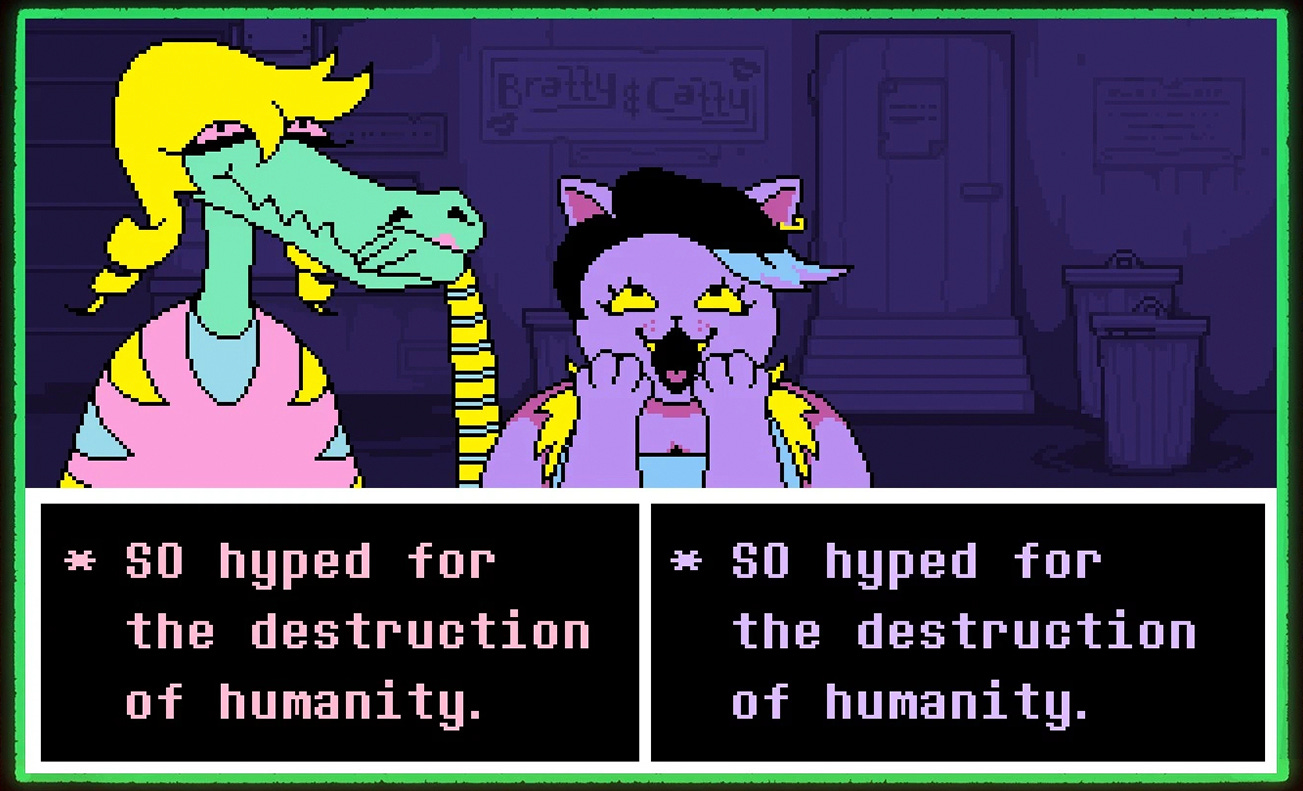
Welcome to Tales From The Couch, the series where I share my opinions and short UX notes about a game I played.
Today, we're talking about Undertale—the friendly RPG where nobody has to die. Well… kinda.
👾 So, is it good?
Undertale is a compelling narrative adventure disguised as a retro-style RPG—one of those indie classics that stuck around for a reason. You play as a child trying to return to the surface of the Earth, but between you and freedom lies a world of quirky monsters, bizarre humor, and choices that actually matter.
With its simple puzzles, out-of-the-box combat system, creative minigames, and strangely profound dialogue, Undertale shows a strong understanding of its audience. This silly-looking title subverts expectations of what an RPG should be, delivering an intricate look at humanity and morality. It might not click for everyone, but there’s a reason it keeps showing up in Best Games of All Time lists.
So, if you haven’t played it yet, consider this your sign.
🔎 How about the UX?
We could go full philosophy mode here, but let's stick to two things that make this experience stand out:
1. Decision-Making for Real
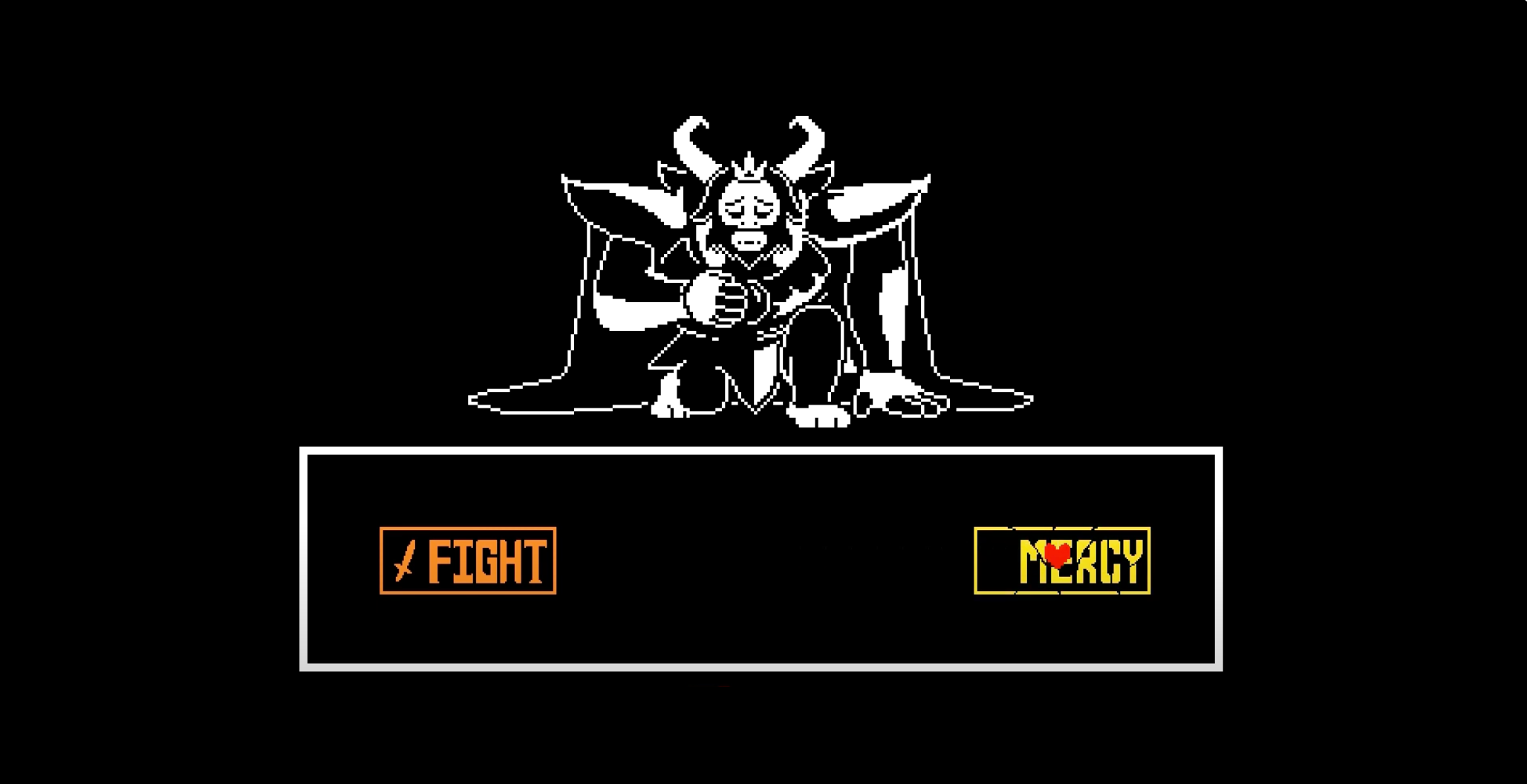
Most RPGs let you make choices, but Undertale makes sure you feel them. The game doesn’t just ask, "Will you fight or spare?"—it remembers. Your actions carry over across playthroughs, subtly (or not-so-subtly) shaping your journey. If you go for a pacifist run, you’ll need to unlearn years of RPG instincts, thinking outside the usual actions. But if you take a more ruthless approach… well, let’s just say the game won’t let you walk away without consequences.
This weight behind decisions makes Undertale unique. Just like in real life, choices don’t exist in a vacuum—they shape the world around us, and sometimes, there’s no undo button.
It also adds a lot to the game’s replayability. Each run feels distinct, not just in outcomes but in emotional tone. My first playthrough left me with a bad ending that felt dark and unsettling, while my second attempt—where I made more thoughtful choices—was far more rewarding. Few games make you reflect on your own decisions quite like this one.
2. The Power of Perception
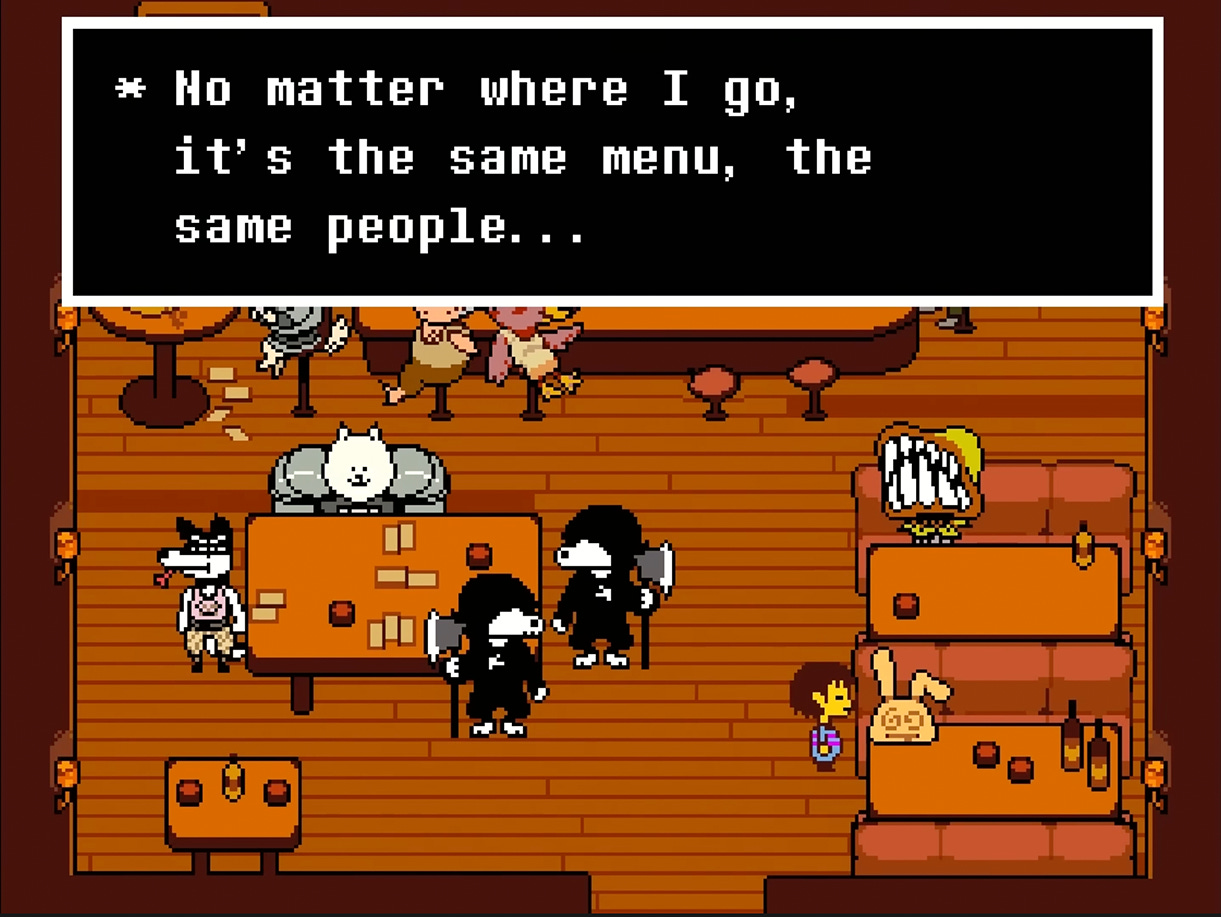
Here’s where Undertale gets really clever. Cognitive perception isn’t just about what we see—it’s about how we interpret information based on our own experiences and expectations.
The game thrives on this. It bends traditional RPG conventions, but if you’re not familiar with those tropes, some of its magic won’t hit the same way. The ability to resolve combat without violence? Mind-blowing for longtime RPG fans—confusing for someone new to the genre. The meta-narrative tricks? Even cooler if you recognize the rules being broken or simply get the reference.
I’m not saying you need to be an RPG veteran to enjoy Undertale, but a lot of its most memorable moments land best when they challenge something you already believe to be true. It’s a great lesson in knowing your audience—when a game understands the player’s context, what they like, and the references they bring with them, it can craft interactions that feel personal and deeply rewarding. That’s how you create truly unforgettable experiences.
🎮 What am I playing now?
I’m not gonna lie, life’s been very busy, but I’m on a quest to finish both The Legend of Zelda: Echoes of Wisdom and Indiana Jones and the Great Circle. That is, if I can stop getting distracted by Balatro and Pokémon TCG Pocket long enough to actually roll credits on anything.
What are your thoughts on Undertale? Drop a comment and hit me with some new game recommendations ⚡
Wanna Learn More?
Here are some fantastic resources for you: