


I’ve been playing Crimson Desert since day one, and despite genuinely loving the game so far, I’d be lying if I said I was not bummed by how janky those first hours felt.
From overwhelming controls and endless tutorial popups to the messy narrative setup, the early gameplay carries a kind of friction that is hard to ignore. Not in the charming sense of a niche game, but in the frustrating sense of a First Time User Experience (FTUE) that likely was not tested enough outside the dev team.
That is a shame, because there is an awesome game underneath all of this. The kind of game that brings back that childhood joy of playing just for fun, without obsessing over goals or progression. It is sad to realize how many players may bounce before ever discovering that magic. That is the hard truth about early impressions: a weak start can get in the way of a potentially great experience.
And that is exactly why today’s topic matters. So let’s dive in.
Not just a tutorial 💡
One of the most common mistakes in this conversation is reducing FTUE to tutorials.
Tutorials are part of it, of course, but it goes far beyond that. A strong opening teaches the basics of gameplay while also building trust, emotional connection, and expectations for what comes next. It is where the game starts answering a few critical questions in the player’s mind:
What is this game about?
Why should I care?
How do I interact with this world?
Am I curious enough to keep going?
A good opening answers those questions with clarity and care. A bad one creates distance, making players doubt the game, and sometimes their own skills earlier than expected. These issues are easy to postpone, but their cost compounds fast.
What makes a good FTUE? 🎯
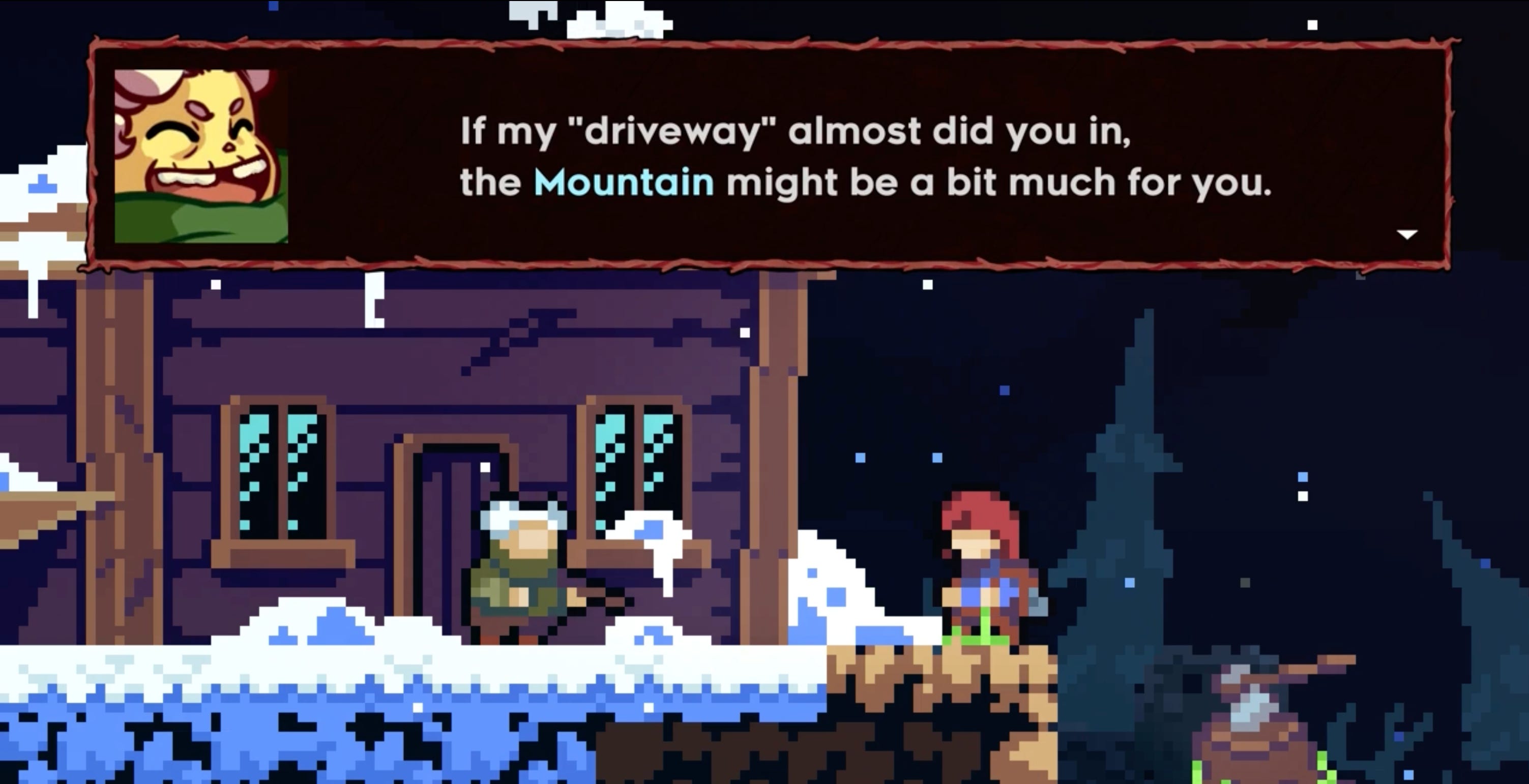
A good FTUE usually does not feel like onboarding at all. It feels like the game is naturally introducing you to its own language.
At its core, it gets a few simple things right.
Clarity: Players need to understand what kind of experience they are in, what they can do, and what the game expects from them. If that mental model does not form quickly enough, confusion starts stealing attention from curiosity.
Pacing: People do not build confidence by being flooded with systems, rules, and edge cases in the first ten minutes. They build it by understanding one thing, using it in the right context, and then moving to the next one.
Learning by doing: Players usually learn better when the game allows them to do something meaningful instead of simply throwing a wall of text in their face. Good onboarding is not just communication, it’s choreography.
Engagement: A strong start helps players feel capable, curious, and engaged enough to continue. Even a technically solid introduction can fail if the player comes out of it feeling bored, stupid, or mentally drained.
So what does this mean in practice? 🤔
In practice, it all means prioritizing readability and pacing over volume. Teach the core loop first. Introduce one meaningful layer at a time. Let players perform the important verbs early. Give them one or two small wins so they build confidence.
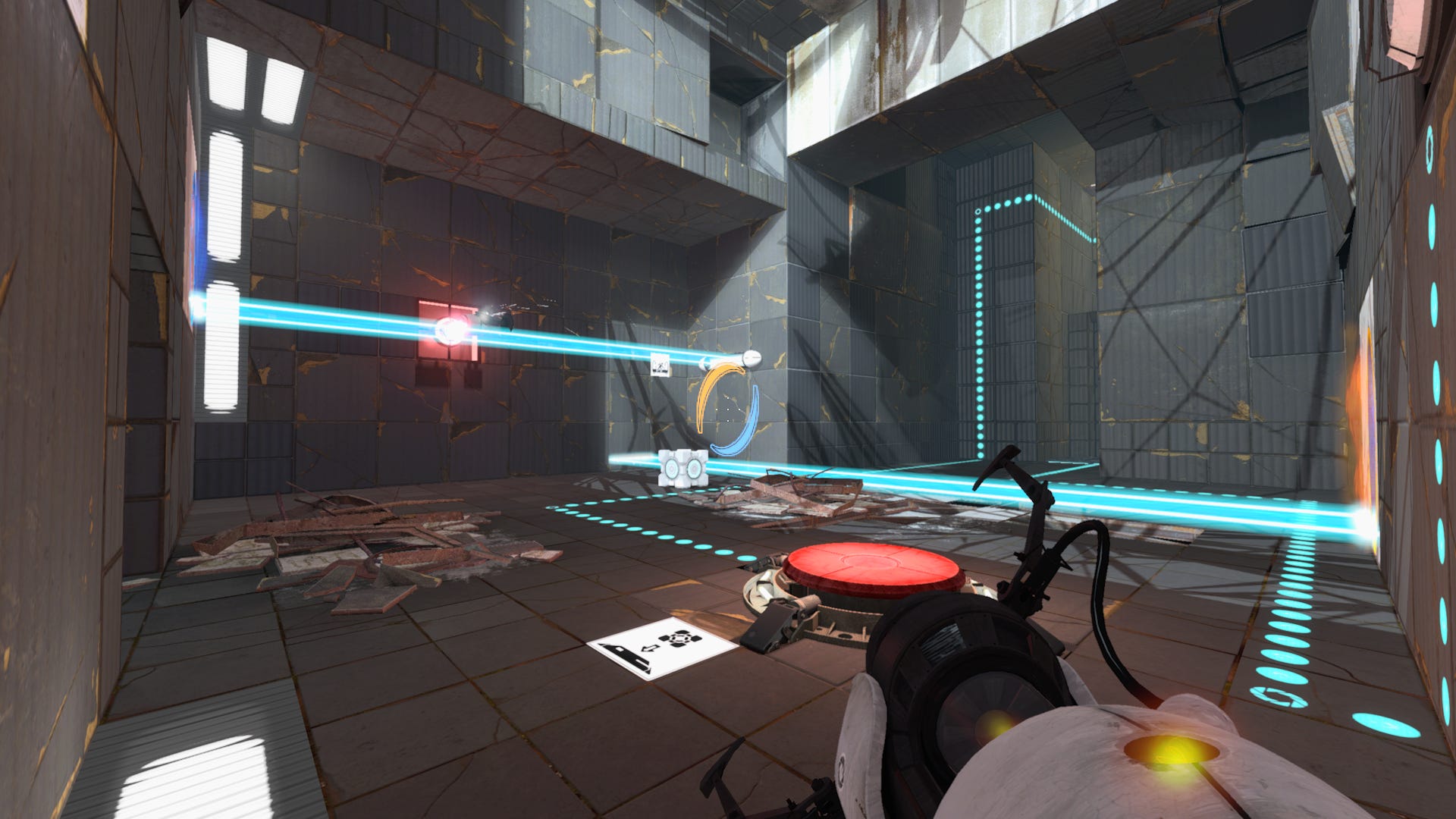
This is why some onboarding examples still hold up so well. Portal 2 remains a classic because it teaches through level design, introducing mechanics one by one while keeping momentum high. Clash Royale is a very different example, but the lesson is similar: get to the core loop fast and layer complexity gradually.
Different genres, same principle. When players feel smart early, they stay longer. When they feel lost early, they start looking for the exit.
A strong FTUE also shows up in data signals such as better completion of onboarding steps, lower churn rate, and higher day-one retention. But all those numbers need context. A low completion rate is not always a sign that players are lazy or impatient. Sometimes it means the game is asking too much, too early.
If you want a simple checklist for reviewing your own onboarding, start here:
Can players quickly understand what to do and why it matters?
Does the game teach through action, one step at a time?
Do the first interactions feel clear, responsive, and inviting?
Do the first minutes spark curiosity?
If too many of those answers are shaky, the experience probably is too.
Test early, test often 🕹️
Onboarding becomes especially vulnerable when the team is too close to the game. Once you already know the controls, systems, and logic behind every choice, it becomes much harder to see what real players are struggling with.
That is why testing early matters so much. You do not need a polished build to start learning from people. Early testing exposes confusion, pacing issues, and friction that would otherwise harden into much more expensive problems later on.
You also need different play styles and skill levels. Otherwise, you risk validating an opening that only works for people already willing to fight through it.
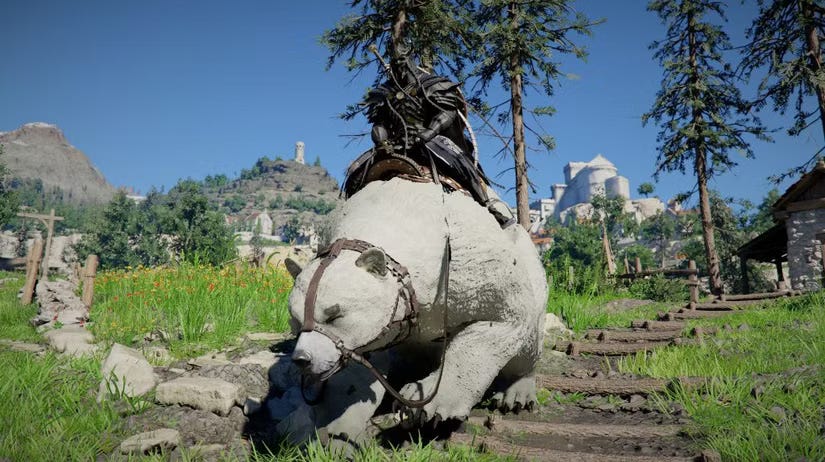
That is part of what makes Crimson Desert such a useful example for this discussion about FTUE. Chances are the team either did not test enough, or did not test with a diverse enough pool of players, and you can feel some of that in the final product.
📝 Final Notes
A good FTUE is there to make players care enough to want the next minute.
That is the real job. Not overwhelming them with systems. Not proving depth too early. Just creating an opening that feels clear, inviting, and worth exploring.
It is also worth being fair with Crimson Desert here. Pearl Abyss moved quickly after launch, pushing updates that addressed many of the pain points players were calling out. That does not erase their hiccups, but it does show a team that is listening. And as a player, it feels so damn good to be heard.
So keep these lessons in mind the next time you design the first moments of your own game, or when you start analyzing the FTUE of the next title you play. Because for many players, first impressions do not just introduce the game.
They become the game.
Amazing, really like the comparisons to get a better sense of good FTUE. Even tho you feel a good FTUE, as a non UX artist, it's cool to read this and understand the why it feels good.
Also interesting how these concepts apply to stories as well, introducing these properly to an audience without overwhelming them.
Wait how did you get the bear on a *leash*??? 😲