


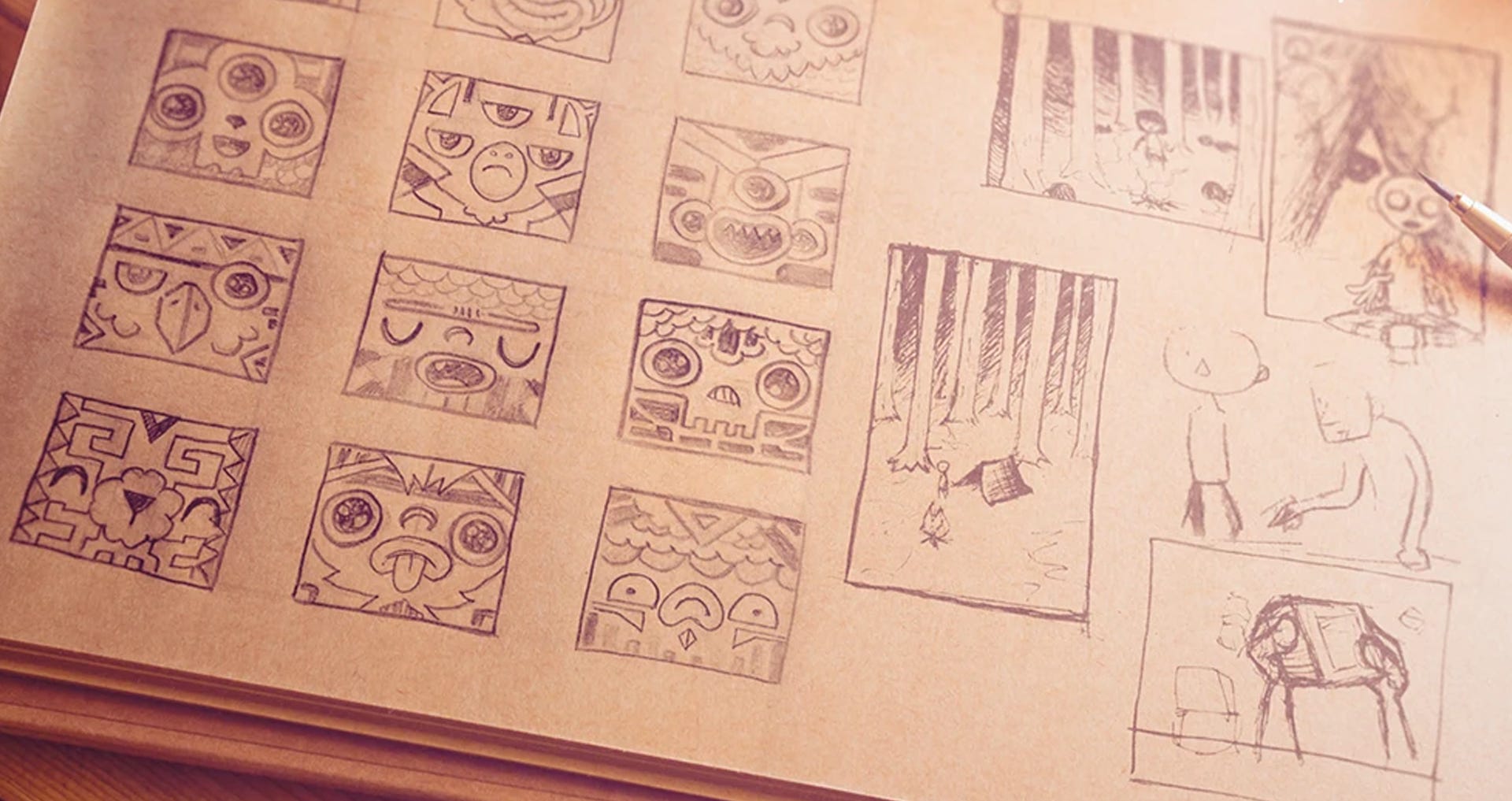
A good friend of mine, Bruno Santos Araújo, recently invited me to join him for the Game Boy Jam in September. My life is pure chaos at the moment, and finding time for anything has been difficult, but I gotta admit: I’m super tempted.
More than a decade ago, Bruno and I made several games together across different jams, usually alongside other talented friends. Those projects gave my portfolio a boost and helped me transition software development and freelance game gigs into a full-time career in games. I learned a lot from him during those days, and every project made me a little more certain that this was the life I wanted for myself.
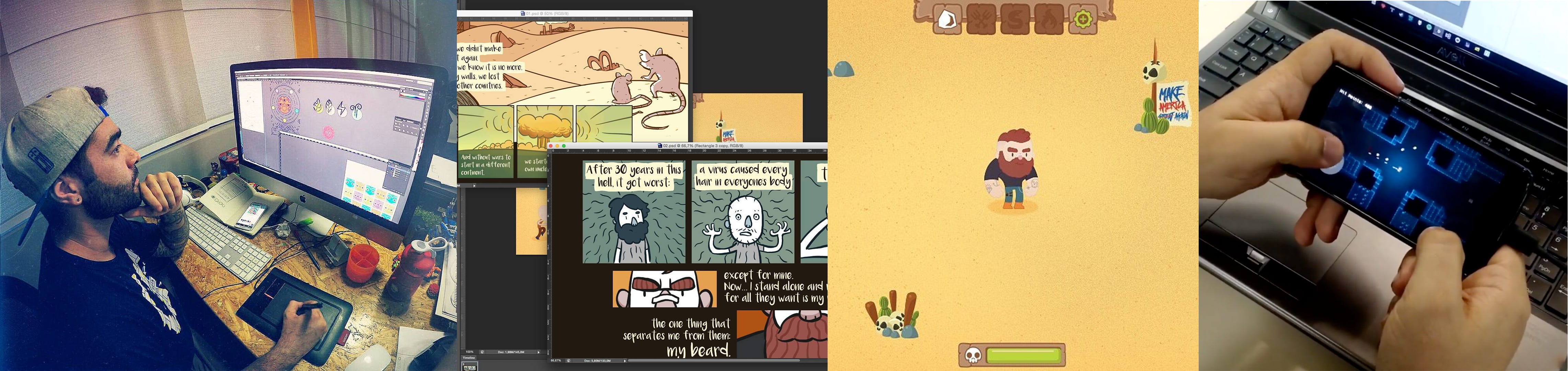
For anyone new to the format, Game Jams are short events where people build a small playable game around a theme. Some last a weekend, while others give you a little more time, but the basic challenge is the same: start with a theme and a few constraints, work within a deadline, and somehow turn a burst of ideas into something another person can play.
The result may be clever, weird, unfinished, or held together by pure luck. That is not necessarily a failure. It is basically part of the format.
That invitation got me thinking about why game jams can be such a useful creative exercise and why more people should give it a try. So, let’s talk about the benefits of joining a game jam?
A sneak peek at game development 🎮
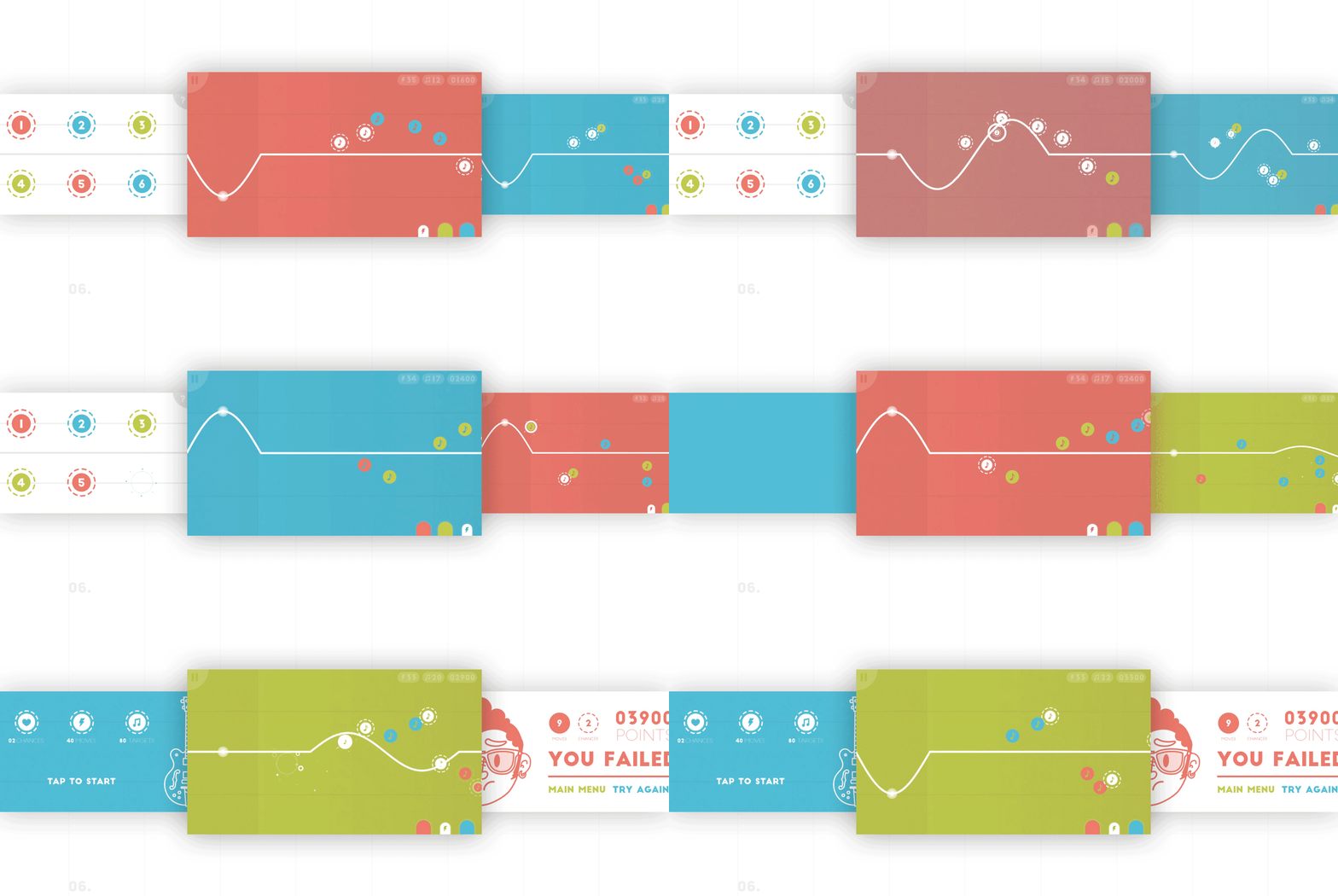
One of the reasons game jams are so interesting is that they compress a large part of the development process into a short period of time. You come up with an idea, immediately make it too ambitious, and then get a very fast lesson in what scope actually means as the deadline gets closer.
That limitation can be surprisingly useful. With no room for ten future features or a heroic roadmap, the team has to identify the core loop, decide what the player really needs to understand, and remove anything getting in the way of making the game playable and, hopefully, fun.
For a designer, this is a great exercise because the work quickly moves beyond screens and flows. Controls, feedback, pacing, difficulty, art, audio, and technical constraints all collide. The experience only works when those pieces support one another, or at least compensate for whatever you cannot deliver.
Sometimes the elegant solution is too expensive. Sometimes a rough placeholder communicates better than the polished version, and sometimes the feature everyone loves has to disappear because it is stopping the game from being finished on time. Painful, yes, but also a very efficient lesson for aspiring game makers.
Learning from other people 🤝
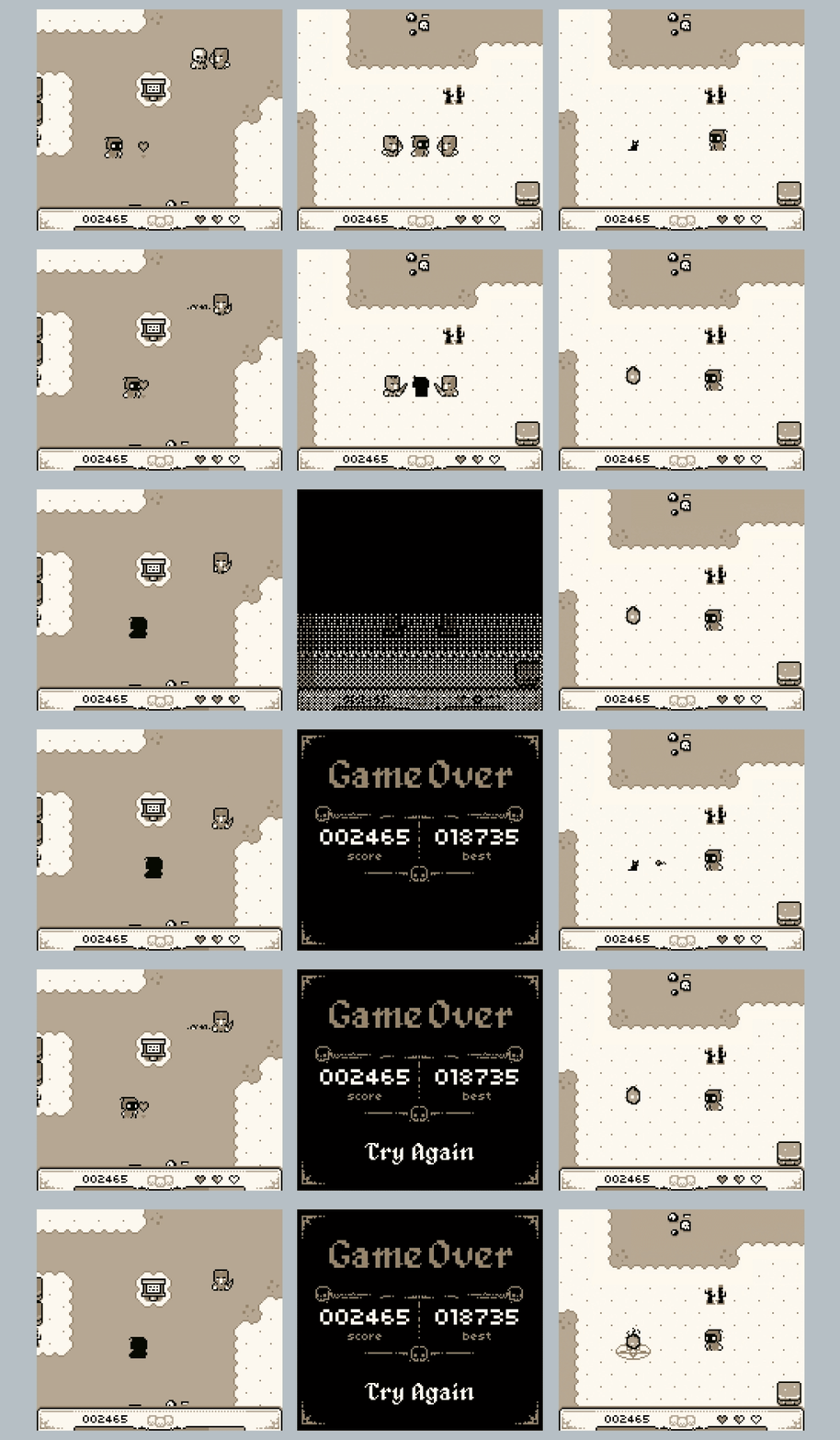
You also do not need to be a programmer capable of building everything alone. Jams need designers, artists, writers, or basically anyone who can help a small team turn an idea into something coherent in time.
That makes game jams a much more natural way to meet people than simply exchanging job titles and connection requests at a formal networking event. You are solving actual problems together, learning from each other, and seeing very quickly how your decisions affect both the project and the people working on it.
The feedback loop is short too. You make something, hand it to another person, and discover within thirty seconds that the “obvious” interaction was only obvious to the people who built it. Few things teach humility and teamwork faster than a jam.
A reason to finish something 🎯
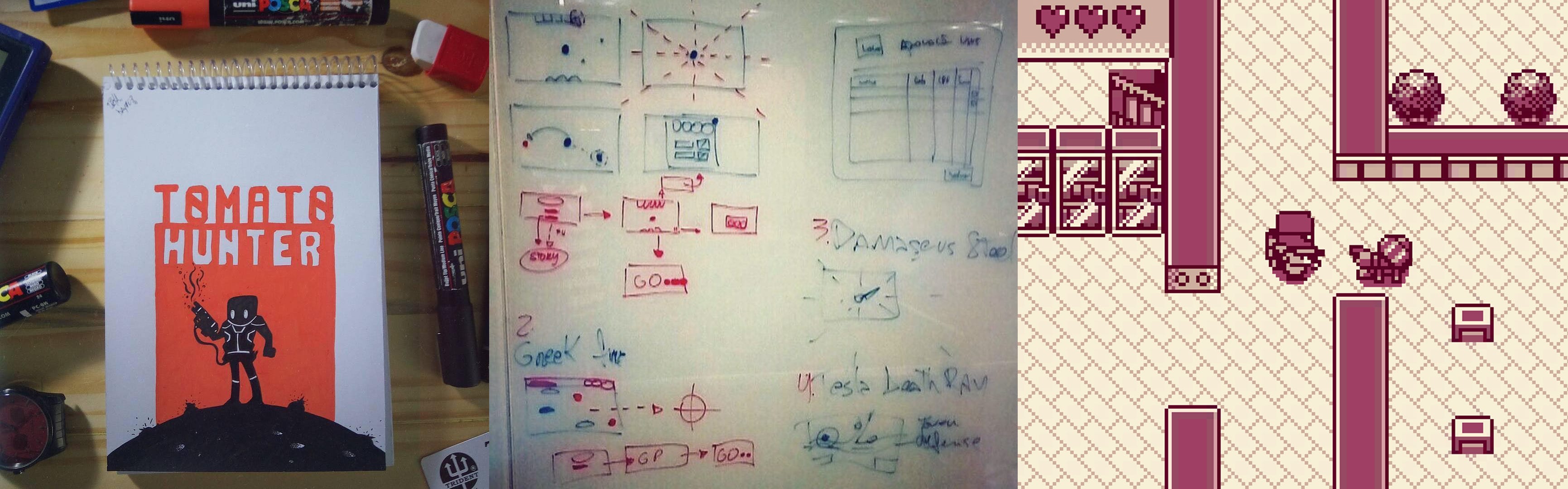
I wouldn’t participate in a jam just for the portfolio, but I also wouldn’t underestimate that benefit. In my case, those projects gave me something concrete to show exactly when I was trying to break into the industry.
A jam can give you a project to share, but more importantly, it gives you a case study to explore and a reason to get shit done. What you tried, what you removed, what went wrong, and how the team adapted as the deadline got closer are often more interesting than the final product itself. To be honest, most of the games I’m sharing here are not particularly good, but the lessons I got from them are valuable.
The game does not need to look like a commercial release to be useful. A small, imperfect project with a clear story behind it can say a lot about how you work, collaborate, prioritize, and react when the original plan stops behaving.
A game jam creates a reason to stop overthinking and simply make something. And, of course, it gives you a pretty good excuse to have some fun along the way.
🧩 Final Notes
At their best, game jams give us a safe excuse to experiment, fail quickly, learn from other people, and shake loose some of that creative energy that can easily get buried under everyday life.
They also do not need to become sleepless tests of commitment or even be in person. Picking a format that fits your schedule and enjoying the ride is the real secret.
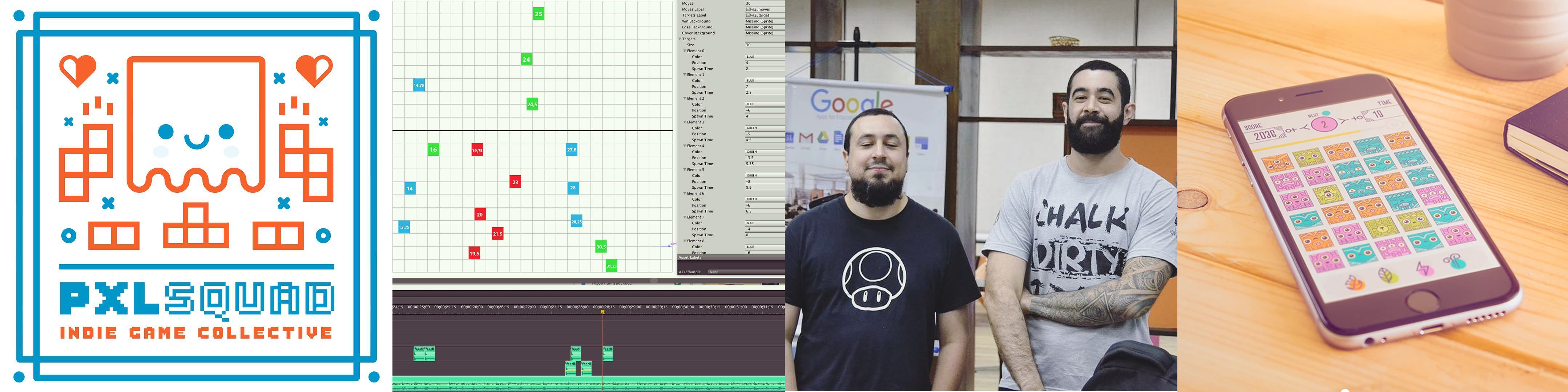
I still do not know whether I will be able to join my friend in September. Between work shenanigans, family life, and my slightly irresponsible decision to join a new band because I missed playing drums (oops), free time is not exactly abundant right now.
But the invitation reminded me why game jams mattered so much to me in the first place, and I wanted to share these ideas. Maybe joining one could be the push you need to start making games, break through a creative block that has been bothering you, or simply have fun building something silly with new people. 😉
Wanna Learn More?
Looking for a jam? Check the itch.io game jam calendar and see whether there’s one that fits your interests, schedule, and preferred level of chaos.
Planning to turn your jam project into a portfolio piece? My article “Building a Portfolio That Actually Works” has a few practical tips for you.
I love game jams! they’ve helped me so much through my gamedev career. everyone should have the game jam experience once, it’s indeed a lesson of humility lol
This brought back the fomo for joining a game jam 🔥
Btw I played a bit Tiny Terror, pretty cooool. I can imagine crafting skeleton creatures with the bones